
Prize Figures vs Scale Figures: Understanding the Price Gap
Learn why prize figures cost more than scale figures and what you actually get for the money.
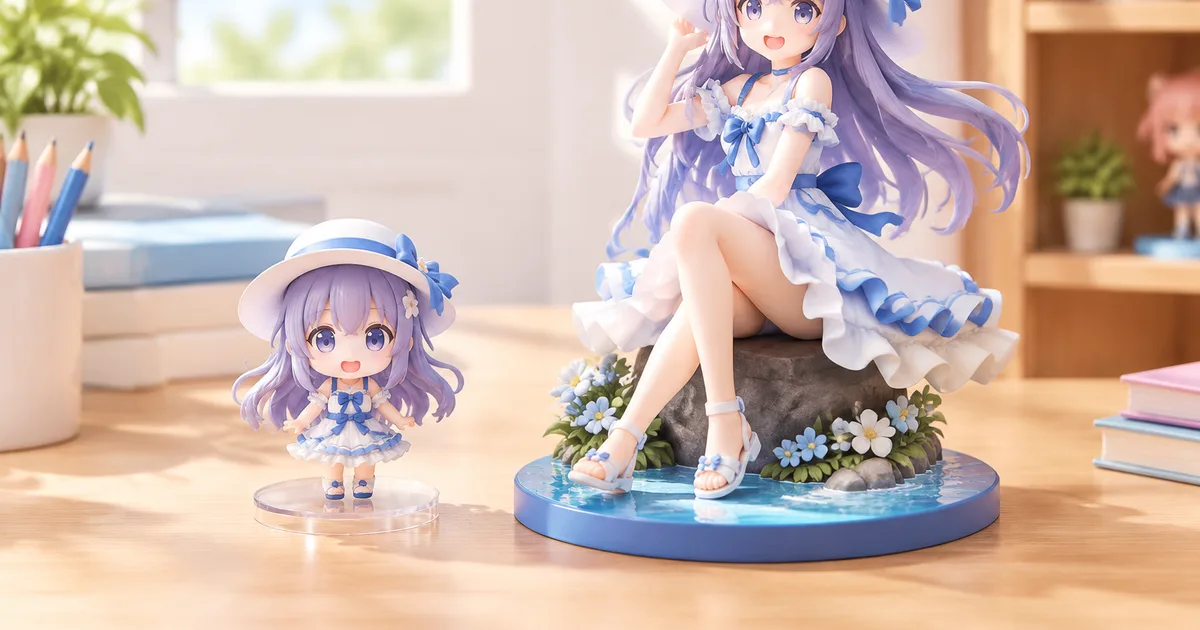
What Are Prize Figures?
Prize figures are limited‑edition collectibles that are usually tied to a specific event, competition, or promotional campaign. They are marketed as “prizes” because they are awarded to winners or offered as exclusive rewards for early adopters. The production run is intentionally small, which creates scarcity and often drives up the perceived value.
Typical characteristics of prize figures include:
- Unique packaging – often a special box or case that differs from the standard retail version.
- Extra accessories – such as interchangeable hands, weapons, or display stands that are not available on the regular model.
- Certificate of authenticity – a serial number or signed slip that verifies the figure’s limited status.
Because the manufacturer knows only a handful of units will leave the factory, they can justify higher material quality, more hand‑finishing, and tighter quality control. The downside is a higher price tag and a longer wait for the few units that are actually produced.
What Are Scale Figures?
Scale figures are mass‑produced replicas that aim to represent a character or object at a specific proportion (e.g., 1:6, 1:12). They are the workhorse of the collectible market, sold through hobby shops, online stores, and large retailers. While they can be highly detailed, the emphasis is on consistency and cost‑efficiency rather than exclusivity.
Key traits of scale figures include:
- Standard packaging – usually a clear window box that showcases the figure without additional frills.
- Uniform accessories – the same set of parts for every unit in the run.
- Batch production – thousands of copies are molded, painted, and shipped in a single production cycle.
Scale figures are often priced lower because the economies of scale reduce per‑unit costs. However, the large production volume can also mean a broader range of quality, from perfectly painted to occasional defects.
Why Prices Differ
Materials and Finish
Prize figures frequently use higher‑grade resins or premium PLA blends that allow for finer detail and smoother surfaces. They may also receive hand‑painted touches, such as subtle shading or metallic accents, that are labor‑intensive. Scale figures, on the other hand, rely on automated painting lines and standard plastic blends to keep costs down.
Detail Level
Because the run size is limited, manufacturers can allocate more design time per model. This often results in sharper facial features, more accurate clothing folds, and better articulation. Scale figures must balance detail with the need to produce thousands of identical units; tiny details may be simplified to avoid bottlenecks.
Production Volume
The most obvious factor is the number of units produced. A small batch spreads fixed costs (mold creation, prototype development, licensing fees) over fewer items, raising the price per piece. Large‑scale production spreads those same costs across many units, dramatically lowering the per‑unit expense.
Licensing and Branding
Prize figures are sometimes tied to a specific event or partnership, which can add licensing fees. The exclusivity itself becomes a branding tool, allowing the maker to charge a premium. Scale figures usually benefit from long‑term licensing agreements that are amortized over many years of sales.
Market Perception
Collectors often treat prize figures as investment pieces, hoping that scarcity will preserve or increase value over time. This speculative aspect encourages sellers to set higher prices. Scale figures are viewed more as hobby items, so the market expects a more modest price point.
Real‑World Numbers from FigMee
FigMee’s own data illustrate how user preferences differ across these categories. As of October 2026, FigMee has generated 543 figure previews for customers, showing the breadth of designs people explore. Among those previews, the most popular display choice is no base, selected by 55 % of users, indicating a strong desire for flexibility in how the final figure is shown.
How to Choose the Right Figure for Your Budget
- Define Your Goal – Are you looking for a collectible that might appreciate in value, or simply a fun desk ornament? If the former, a prize figure may be worth the premium. If the latter, a scale figure will likely meet your needs at a lower cost.
- Assess Detail vs. Quantity – Examine photos of the figure’s sculpt and paintwork. Prize figures often showcase finer details, but a well‑executed scale line can also deliver impressive realism.
- Consider the Base and Accessories – If you need a specific stand or interchangeable parts, check whether they are included or sold separately. Prize figures sometimes bundle extras, whereas scale figures may require aftermarket purchases.
- Check Community Feedback – Look at reviews and gallery posts from other FigMee users. Real‑world experiences can reveal whether a particular model lives up to its price.
- Factor in Long‑Term Value – Limited runs can retain value, but only if the character or franchise remains popular. Scale figures from established lines often retain modest resale value due to their broader appeal.
Practical Tips for Getting the Most Value
- Use FigMee’s free preview service to see a digital mock‑up before committing. This helps you avoid surprises in scale or pose.
- Order early if you’re interested in a prize figure; limited runs sell out quickly.
- Compare finish options – Some manufacturers offer a “standard” paint job and a “premium” hand‑painted version. Choose based on how much the extra detail matters to you.
- Think about display space – A larger prize figure may need a dedicated shelf, while a smaller scale figure can fit in tighter spots.
- Watch for bundle deals – Occasionally, retailers bundle a scale figure with a base or extra accessories at a discount, which can be a cost‑effective alternative to a prize figure.
When Price Isn’t the Whole Story
Even if a prize figure costs twice as much as a comparable scale figure, the intangible benefits—exclusivity, hand‑crafted feel, and potential collector’s value—can justify the expense for many enthusiasts. Conversely, a well‑made scale figure can deliver a satisfying level of realism without breaking the bank, especially for newcomers who are still building a collection.
Bottom Line
Understanding the price gap between prize and scale figures boils down to three core ideas: scarcity, craftsmanship, and production economics. By evaluating what matters most to you—whether it’s unique accessories, hand‑painted detail, or simply a fun representation of a favorite character—you can make an informed purchase that aligns with your budget and collecting goals.
FAQ
How can I tell if a figure is a prize edition or a regular scale model?
Prize editions usually come with special packaging, a certificate of authenticity, and limited‑run markings (e.g., “1/500”). Scale models are sold in standard boxes without serial numbers and are produced in larger quantities.
Are prize figures always higher quality than scale figures?
Not necessarily. While prize figures often receive extra hand‑finishing, some high‑end scale lines also offer excellent detail and paintwork. Compare photos and user reviews to judge quality on a case‑by‑case basis.
Will a prize figure retain its value over time?
Scarcity can help preserve value, but resale price also depends on the popularity of the character, the condition of the figure, and market demand. There are no guarantees.
Does FigMee offer any discounts for bulk orders?
FigMee provides free digital previews for individual orders, but it does not publicly advertise bulk‑order discounts. For large purchases, you would need to contact their support team directly.
Want to turn a photo into a figure?
Previews are free. Order only once you're happy with what you see.
Try it for free