
Understanding Anime Figure Types: Scale, Prize, Chibi, Garage Kits, and Statues
A practical guide to anime figure categories and how to pick the right one for your collection.
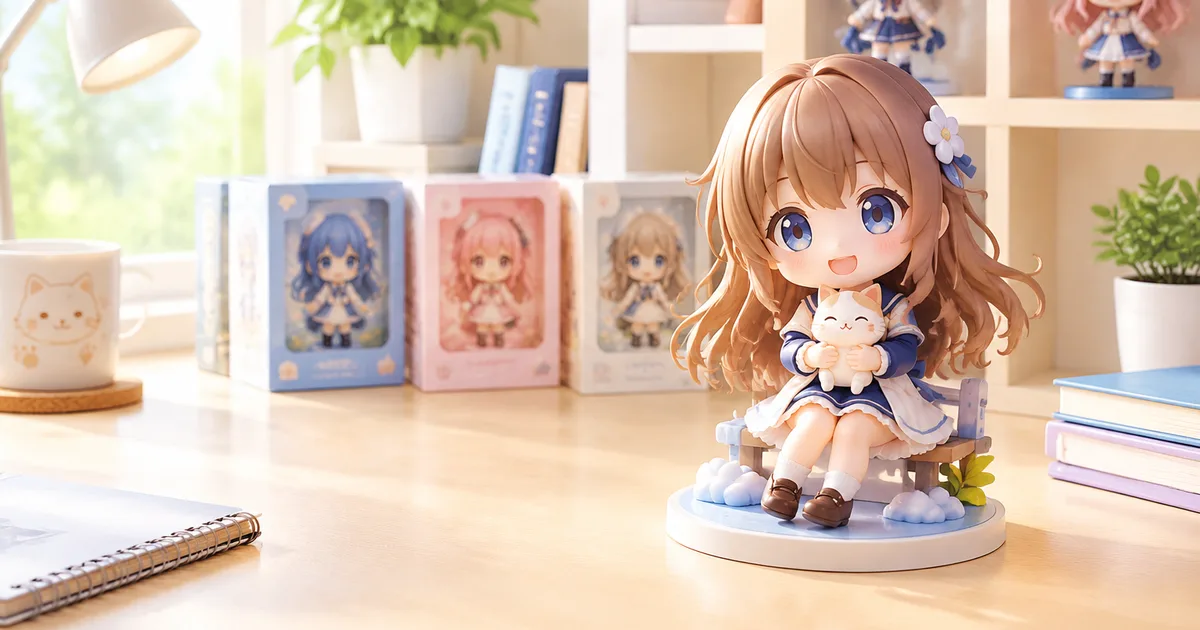
Types of Anime Figures
Anime figures come in many shapes, sizes, and price points, and each category serves a different purpose for collectors, hobbyists, and casual fans. Knowing the strengths and limitations of each type helps you avoid costly mistakes and build a collection that matches your display space, budget, and aesthetic preferences.
Scale Figures
Scale figures are the workhorses of the hobby. They are produced at a consistent proportion—often 1/7 (≈18 cm), 1/6 (≈20 cm), 1/4 (≈30 cm), or 1/8 (≈15 cm)—so that multiple characters from the same series line up correctly. The scale determines the level of detail you can expect: larger scales allow more intricate sculpting, better paintwork, and more accessories such as interchangeable hands or weapons. Scale figures are typically made from PVC, ABS, or a PVC‑ABS blend, and they are often sold unpainted (so‑called "kit" versions) or pre‑painted by the manufacturer.
Pros
- Consistent size makes group displays realistic.
- Wide range of price points; entry‑level kits can be under $30, while premium pre‑painted versions can exceed $200.
- Many manufacturers release limited‑edition variants, giving collectors a chance to own rare colorways.
Cons
- Larger scales require more shelf space.
- Unpainted kits demand painting, sealing, and sometimes assembly skills.
- Some manufacturers limit the number of releases per series, so not every character is available.
Prize Figures
Prize figures, also known as “gacha” or “blind‑box” figures, are sold in sealed capsules at hobby shops, conventions, and online stores. The exact character inside is a surprise, which adds a gambling element that appeals to collectors who enjoy the thrill of the hunt. These figures are usually small (around 5‑10 cm) and highly stylized, often with exaggerated facial expressions or dynamic poses.
Pros
- Low entry price, typically $5‑$15 per capsule.
- Fun to collect in bulk; the surprise factor can be rewarding.
- Great for filling small gaps on a shelf or desk.
Cons
- No guarantee of getting a specific character; rare pulls can be hard to obtain.
- Limited detail compared to larger scale or statue figures.
- Resale market can be volatile; some rare pulls fetch high prices while others remain common.
Nendoroid‑style Chibi
The Nendoroid line, pioneered by Good Smile Company, popularized the chibi (super‑deformed) aesthetic: oversized heads, compact bodies, and a cute, approachable look. While “Nendoroid” is a trademark, many other manufacturers produce similar chibi figures that follow the same design language. Typical height is about 10 cm, and each figure comes with a variety of interchangeable parts—different facial expressions, hand poses, and accessories—allowing you to recreate many scenes.
Pros
- Highly poseable thanks to the interchangeable parts.
- Small footprint; ideal for desks, shelves, or travel displays.
- Consistent quality across many series; collectors can amass entire lines without needing large space.
Cons
- The stylized look isn’t for everyone; fans of realistic proportions may prefer other categories.
- Limited articulation compared to full‑size scale figures.
- Some series release only a few characters in chibi form, so availability can be uneven.
Garage Kits
Garage kits are low‑volume, often hand‑crafted figures produced by independent artists or small studios. They are usually sold as resin casts that require assembly and painting. Because they are made in limited runs, garage kits can capture niche characters, alternate outfits, or unique poses that mainstream manufacturers overlook.
Pros
- Access to obscure or fan‑requested characters.
- High level of artistic freedom; many kits feature dynamic, unconventional poses.
- Collectors often support the artists directly, fostering a community.
Cons
- Resin can be fragile; careful handling is required.
- Kits typically lack official licensing, which may affect resale value.
- Painting and assembly demand skill and patience; beginners may find them challenging.
Statues
Statues occupy the high‑end end of the market. They are usually larger (15‑30 cm or more) and focus on a single, dramatic pose rather than full articulation. Materials range from polyresin to polyurethane, and finishes can be matte, glossy, or even metallic. Statues often target collectors who want a centerpiece for a display cabinet.
Pros
- Exceptional detail, often with hand‑painted highlights.
- Imposing presence; a well‑chosen statue can become a room focal point.
- Limited‑edition runs increase exclusivity and potential future value.
Cons
- High price tag; many statues cost several hundred dollars.
- Heavy and requires sturdy shelving.
- Limited poseability; you get one static pose per purchase.
How to Choose the Right Figure for You
- Assess Your Display Space – If you have a small desk, chibi figures or prize figures fit best. For a dedicated shelf or cabinet, scale figures and statues work well.
- Define Your Budget – Prize figures provide the cheapest entry point, while statues demand a larger investment. Remember that garage kits may require additional spending on paints and tools.
- Consider Your Skill Level – Beginners often start with pre‑painted scale figures or chibi figures that come assembled. If you enjoy painting, a resin garage kit offers creative freedom.
- Think About Collectibility – If you aim to complete a series, scale figures and official chibi lines provide the most consistent releases. For rare or exclusive items, keep an eye on limited‑edition statues or garage kits.
- Match the Aesthetic – Some fans love the realism of a 1/7 scale figure, while others prefer the whimsical charm of a chibi. Look at photos of each type before deciding.
FigMee Data Insight
FigMee’s platform has generated 483 figure previews in total, showing the range of styles users experiment with. Among those who shared their choices, the most popular display base was “no base,” selected in 52% of cases, indicating a preference for figures that can sit directly on a shelf or desk without a separate stand.
Practical Tips
- Start Small – Purchase a single chibi or prize figure to see how it fits your space and aesthetic.
- Use Free Previews – FigMee offers free previews, allowing you to visualize a custom 3D‑printed figure before committing.
- Check Community Galleries – The FigMee public gallery showcases how other users display their figures, giving you ideas for arrangement and base choices.
- Plan for Maintenance – Dust regularly, especially for resin garage kits and statues that can accumulate static.
- Invest in a Good Shelf – A sturdy, level surface prevents tipping, which is crucial for heavier statues.
FAQ
What is the difference between a scale figure and a statue?
Scale figures are sized to a consistent proportion and often include interchangeable parts for poseability, while statues focus on a single, detailed pose and are usually larger and heavier.
Are garage kits legal to sell?
Garage kits are typically produced without official licensing, so they exist in a legal gray area. They are legal to own and sell in many regions, but resale value may be lower than licensed products.
How can I tell if a chibi figure will fit on my shelf?
Measure the available shelf height and depth, then compare it to the typical 10 cm height of chibi figures. Most chibi lines also list exact dimensions in product specs.
Do I need special tools to assemble a resin garage kit?
Basic hobby tools—such as a hobby knife, tweezers, sandpaper, and a small brush for glue—are sufficient. For painting, acrylic paints and a fine‑tip brush work well.
Want to turn a photo into a figure?
Previews are free. Order only once you're happy with what you see.
Try it for free