
3D‑Printed Figures Are Fragile; Handle Thin Parts and Transport Carefully
3D‑printed figures can break easily, especially at thin sections, so handle them gently and pack them securely.
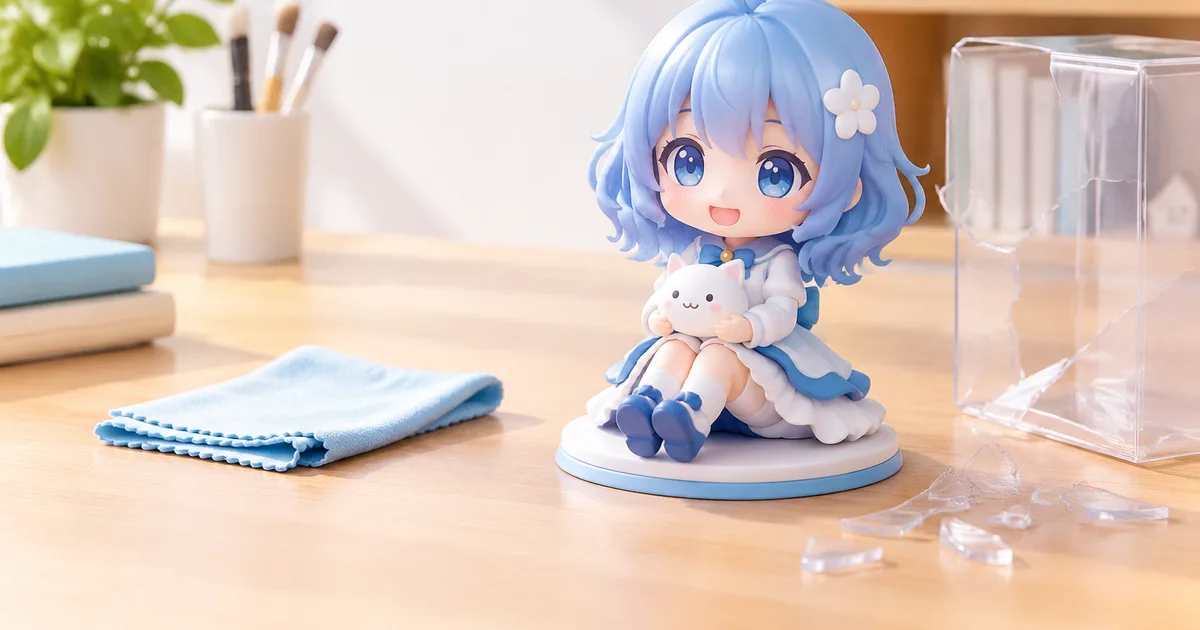
3D‑printed figures can be fragile, especially at thin sections, so they should be handled gently, avoided from drops, and packed securely for transport.
Why thin sections are vulnerable
The layer‑by‑layer nature of fused‑filament fabrication (FFF) creates anisotropic strength. When a model has long, slender limbs, overhangs, or decorative spikes, the printed walls are often only a few hundred microns thick. Those thin walls lack the internal lattice that thicker sections develop, making them prone to cracking under even modest bending forces. In addition, the cooling process can introduce micro‑cracks at the junction of different orientations, further weakening the part. Users who choose highly detailed chibi or anime styles—both popular among FigMee’s 714 recent previews—often request exaggerated proportions, which amplifies the risk.
How to avoid accidental drops
A dropped figure can suffer a sudden impact that exceeds the material’s fracture toughness. The simplest mitigation is to keep the figure on a stable, level surface while it is still uncured or before the final post‑processing stage. If you need to move the figure, use both hands and support the base (if any) rather than gripping a thin arm or leg. For figures without a base—FigMee reports that 56% of previews are printed without one—consider adding a temporary support like a small piece of cardboard under the torso to distribute weight evenly. When placing the figure on a desk, avoid high‑traffic zones where it could be knocked over by a passing foot or pet.
Packing and transport tips
Even with careful handling, transport introduces vibration and jostling. The most reliable method is a double‑layered package: first, wrap the figure in a soft, breathable material such as a microfiber cloth to cushion surface scratches; second, place the wrapped figure inside a rigid container (e.g., a cardboard box or a small plastic case) that fits snugly to limit movement. Fill any empty space with packing peanuts, crumpled paper, or bubble wrap. If the figure includes protruding accessories—swords, wings, or hair spikes—wrap each separately before bundling them together. Label the package with “Fragile – Handle with Care” and, if shipping, place it upright so that gravity does not press on delicate limbs.
Material choice and post‑processing considerations
Most consumer‑grade FigMee prints use PLA or PETG filament. PLA is easy to print but can become brittle over time, especially when exposed to UV light or high temperatures. PETG offers better impact resistance but can be softer, which may cause thin parts to flex rather than snap—still undesirable for detailed models. If you have the option, request a PETG print for figures with many slender elements. After printing, a light sanding of the thin sections can remove layer lines that act as stress concentrators. However, be cautious not to sand away too much material, as that reduces cross‑sectional thickness further. Applying a thin coat of clear epoxy can seal the surface and add a modest amount of strength, but it does not replace good handling practices.
Real‑world experience from FigMee users
FigMee has generated 693 figure previews as of 2026‑10‑18, and many customers report that the most common breakage occurs at the wrists, ankles, and antennae of chibi‑style models. Users who added a small, removable base or printed the figure at a slightly higher infill (20‑30% instead of the default 15%) noticed fewer fractures during shipment. These anecdotal observations align with the mechanical reasoning above: increasing material volume in vulnerable zones directly improves durability.
Practical checklist before shipping or gifting
- Inspect the printed figure for visible cracks or loose filament before packaging.
- Support any thin limbs with a temporary brace (e.g., a thin wooden dowel) if they feel floppy.
- Wrap the entire model in a soft cloth, then place it in a rigid box.
- Fill gaps with cushioning material to prevent movement.
- Label the package clearly as fragile.
- Document the condition with a photo; FigMee’s free preview service lets you compare the shipped item with the original digital model.
By following these steps you can dramatically reduce the chance of a break and keep your custom 3D‑printed figure looking as intended.
FAQ
How much can I trust the preview image to match the final print?
FigMee’s free preview shows the exact geometry and scale that will be printed, so the visual appearance is reliable; however, material properties such as brittleness are not visible in the preview.
What is the best way to reinforce a fragile thin arm without altering the design?
Apply a thin layer of clear epoxy or a quick‑dry super‑glue to the interior of the arm after printing; this adds a skin of strength without changing external dimensions.
Should I always choose a base for my figure?
A base provides a solid support point and reduces stress on thin limbs during handling and shipping, so it is recommended for most designs, especially those without inherent stability.
Can I use a different filament to make my figure less breakable?
Switching from PLA to PETG generally improves impact resistance, but the final choice should balance strength, flexibility, and the level of detail you need.
Want to turn a photo into a figure?
Previews are free. Order only once you're happy with what you see.
Try it for free